Understanding Internal Family Systems (IFS): A Supportive Approach to Healing
If you’ve ever felt like one part of you wants something while another part pulls you in a different direction, you’re not alone. That internal tension is actually a central idea behind Internal Family Systems (IFS), an evidence-based approach that helps you understand and heal the different parts of yourself in a supportive and non-judgmental way.
Schedule an appointment to get started.
What Is Internal Family Systems Therapy?
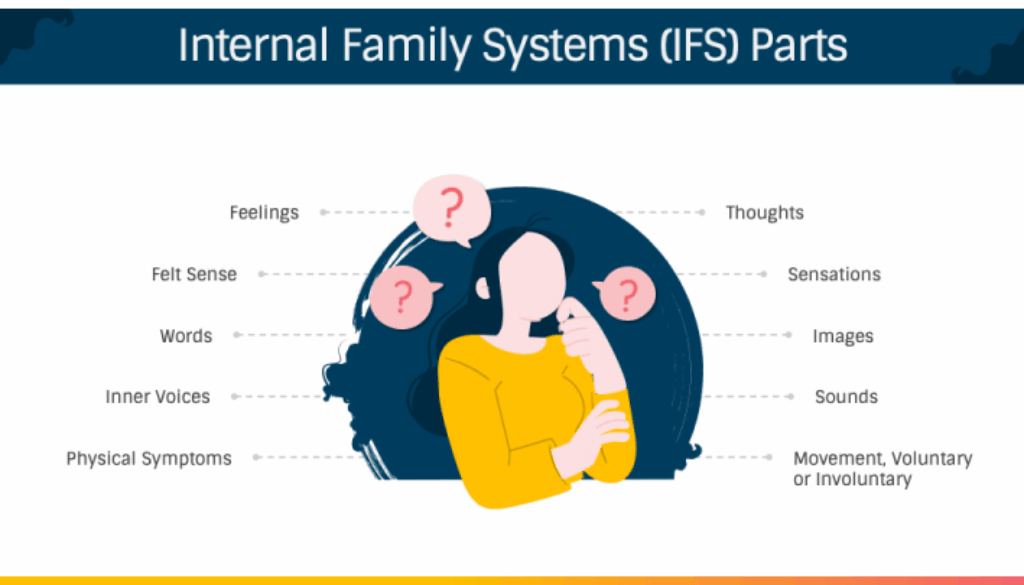
Internal Family Systems based on the idea that the mind consists of distinct “parts,” each with its own role and purpose. Rather than trying to eliminate difficult thoughts or emotions, IFS encourages you to get curious about them, understand why they exist, and build a relationship with them. This shift alone can be incredibly powerful, especially for those who have spent years feeling frustrated with their inner experiences.
How Internal Family Systems Therapy Works
IFS organizes these parts into three main categories. Managers are the parts that try to keep you in control and prevent pain. They might show up as perfectionism, overthinking, or people-pleasing behaviors. Firefighters, on the other hand, step in when emotions become overwhelming. These parts often use strategies like avoidance, emotional shutdown, or impulsive behaviors to quickly reduce distress. Then there are Exiles, which are the more vulnerable parts that carry wounds from past experiences, such as feelings of rejection, shame, fear, or sadness.
At the center of this system is what IFS calls the “Self.” The Self is your core—calm, supportive, confident, and grounded. When you are connected to your Self, you naturally experience qualities like clarity, curiosity, care, confidence, and calmness. The goal of IFS therapy is not to get rid of your parts, but to help your Self take the lead so that your internal system can feel more balanced and supported.
One of the reasons IFS is so effective is that it does not pathologize your experiences. IFS views every part of you as having a purpose, even if its strategies are no longer helpful. Instead of suppressing emotions or forcing change, IFS focuses on building internal trust and safety. This makes it especially helpful for individuals dealing with trauma, anxiety, depression, low self-worth, and relationship challenges.
What to Expect in an Internal Family Systems Session
In a typical IFS session, you might begin by noticing a specific feeling or reaction, such as anxiety before a difficult conversation. From there, you would gently explore the part of you responsible for that feeling, getting curious about what it’s trying to protect you from. As you build care toward that part, you begin to understand its purpose. Over time, it can release the burden it has been carrying. This process creates cooperation within your internal system rather than conflict.
For example, you might want to set a boundary, but feel stuck because one part of you wants to speak up while another fears upsetting others. Instead of forcing yourself in one direction, IFS helps you understand both sides. When both parts feel heard and supported, it becomes much easier to move forward with confidence and clarity.
Is Internal Family Systems Therapy Right for You?
IFS may be a great fit if you feel internally conflicted or struggle with self-criticism. It also works well for those seeking a deeper, more supportive path to healing. It’s also helpful for those who have tried other forms of therapy but still feel stuck, as it offers a different way of relating to your inner world.
You are not a single, fixed identity—you encompass many experiences, emotions, and protective strategies that developed for a reason. Internal Family Systems helps you move from self-judgment to self-understanding, and ultimately toward meaningful, lasting healing. If you’re ready to explore internal family systems therapy, contact us to take the first step.