The emotionally focused therapy benefits are far-reaching and well-documented. Emotionally Focused Therapy (EFT) is a powerful, evidence-based approach that helps people strengthen emotional bonds, improve communication, and create more secure, connected relationships. Rooted in Attachment Theory and developed by Sue Johnson, EFT focuses on understanding the emotions and patterns that drive how we connect with others.
Emotionally Focused Therapy Benefits: What You Can Expect
One of the biggest benefits of EFT is that it helps you identify and change negative interaction cycles. Many couples (and even individuals) get stuck in patterns like pursue-withdraw, criticism-defensiveness, or shutdown-escalation. EFT helps you slow these moments down. It lets you understand what’s happening underneath. From there, you can shift from reacting to responding with more intention.
Another key benefit is improved emotional awareness. Instead of staying at the surface level—like anger or frustration—EFT helps you access the deeper emotions underneath, such as fear of rejection, loneliness, or the need for reassurance. When these deeper emotions are expressed in a safe way, it often leads to more empathy and understanding between partners.
EFT also helps build secure attachment and trust. Over time, partners learn how to turn toward each other rather than away during moments of stress. This creates a stronger sense of emotional safety, where both people feel seen, valued, and supported. For individuals, this can translate into healthier relationship patterns overall, not just in romantic relationships.
Communication naturally improves through this process. Instead of blaming, shutting down, or escalating conflict, EFT teaches you how to communicate needs and emotions clearly and vulnerably. This leads to fewer misunderstandings and more meaningful conversations.
Another important benefit is healing from past wounds—whether those come from earlier relationships, attachment injuries, or unresolved conflict within the current relationship. EFT provides a structured way to repair those emotional ruptures and rebuild connection.
Finally, EFT is not just about reducing conflict—it’s about deepening connection and intimacy. Many people find that as they move through the process, they feel closer, more emotionally connected, and more secure in their relationships than they have in a long time.
In short, EFT helps you move from patterns of disconnection to a relationship built on trust, emotional safety, and genuine connection. If you’re ready to experience these benefits, contact us to schedule a session.
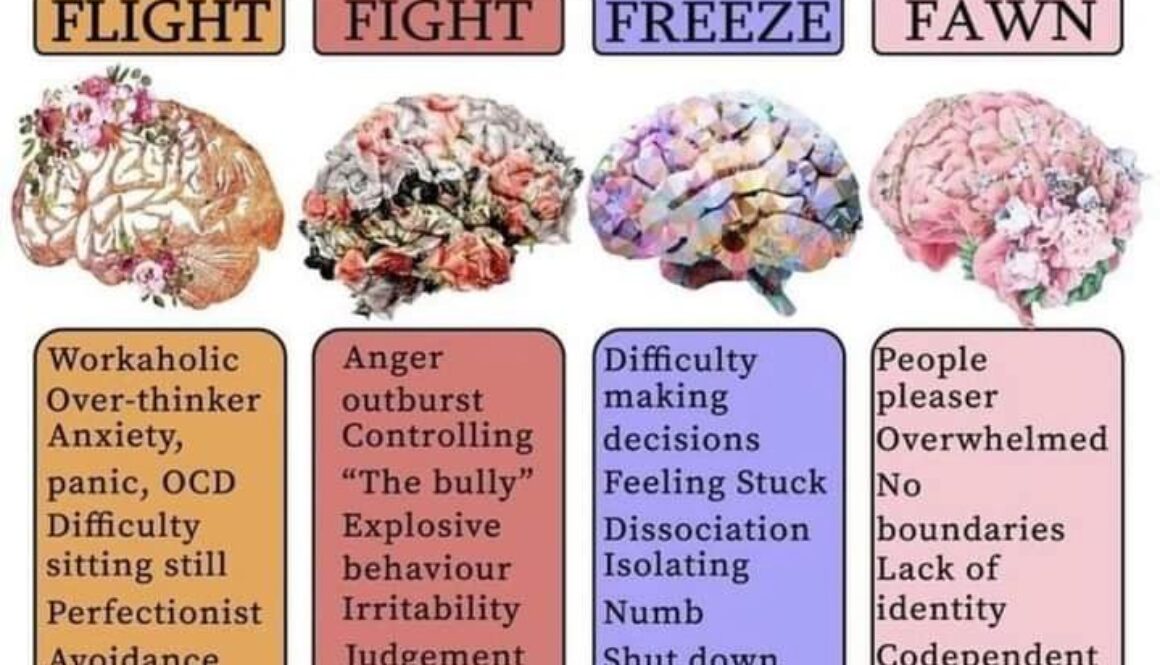
Understanding the 7 trauma responses is key to recognizing how stress and trauma affect us. Trauma can shape how we experience the world long after a single event or a series of stressors. Understanding the range of trauma responses helps us recognize what’s happening in ourselves and others, and it guides effective support and healing. In this post, we’ll explore the seven primary trauma responses, with a focus on how trauma systems therapy can play a pivotal role in assessing, processing, and integrating these responses into healthier functioning.
When a person encounters danger, whether physical, emotional, or relational, the body’s stress response activates. In healthy situations, this response helps us survive and then returns to baseline. However, for many people, especially those who have experienced chronic or severe trauma, the responses can become enduring patterns. Trauma systems therapy is a holistic approach that considers the individual, their relationships, and the systems around them, aiming to restore safety, regulation, and connection.
The 7 trauma responses extend beyond the familiar fight, flight, and freeze. They describe ways people might adapt to threat that can persist long after the danger has passed. Recognizing these patterns is not about labeling someone as “broken,” but about understanding what has helped them cope and where additional support may be needed.
1) Hyperarousal and Hypervigilance
One common trauma response is a heightened state of arousal. People may feel constantly on edge, easily startled, or have trouble sleeping. Hypervigilance can manifest as scanning the environment for threats, difficulty relaxing, or an exaggerated startle response.
Why it happens: The nervous system has learned to stay ready for danger. In trauma systems therapy, clinicians assess regulatory capacity and work on stabilizing physiology through grounding techniques, safe routines, and paced exposure to triggering stimuli.
Create predictable routines and safe spaces.
Practice grounding exercises, breathwork, and sensory modulation.
Gradually reintroduce avoided situations with ample support.
2) Dissociation
Dissociation is a protective mechanism that helps a person detach from overwhelming experiences. It can range from daydreaming to feeling detached from one’s body or surroundings. While dissociation can reduce immediate distress, it may disrupt daily functioning and memory integration over time.
Why it happens: Dissociation disconnects the mind from the trauma, preserving the person in smaller, more manageable chunks of reality. Trauma systems therapy emphasizes safety, presence, and integration, often through a phased approach that respects the person’s boundaries.
Validate experiences without pressuring recollection.
Use grounding and mindfulness techniques to re-anchor in the present.
Seek professional guidance to slowly process memories when readiness exists.
3) Avoidance and Withdrawn Behavior
Some individuals cope by avoiding reminders of the trauma or withdrawing from people, places, and activities they once enjoyed. This can create isolation, reduce support networks, and perpetuate distress.
Why it happens: Avoidance protects the individual from distressing cues but can also hinder healing. Trauma systems therapy works to identify avoidance patterns and gradually reintroduce valued activities in a controlled, compassionate manner.
Encourage small, manageable exposures to avoided contexts.
Maintain a nonjudgmental presence and open communication.
Collaborate on a personalized exposure plan with a clinician.
4) Irritability and Aggression
Trauma can sensitize the nervous system, leading to irritability, anger outbursts, or reactive aggression. These responses may be misread by others, straining relationships and increasing stress.
Why it happens: The body’s alarm system may stay amplified, and sometimes anger serves as a shield against feeling vulnerable. Trauma systems therapy helps individuals develop healthier modulation strategies and uncover underlying emotions such as fear or shame.
Acknowledge the hurt behind the reaction and set boundaries.
Teach alternative coping strategies like pause-and-breath or time-outs.
Create a collaborative safety plan for difficult moments.
5) Shame, Guilt, and Self-Criticism
Trauma often alters self-perception, leading to persistent shame, guilt, or harsh self-criticism. These internal experiences can undermine self-worth and hinder recovery.
Why it happens: Negative beliefs about the self become reinforced by traumatic memories and social judgments. In trauma systems therapy, cognitive and relational work targets these beliefs while rebuilding self-compassion and a coherent sense of identity.
Practice self-compassion exercises and compassionate self-talk.
Reframe memories with a focus on resilience and strengths.
Build a supportive network that reinforces healthy beliefs about the self.
6) Detachment from Relationships and Trust
Trauma can disrupt attachment patterns, making it difficult to trust others or to feel safe in close relationships. This may present as emotional distance, difficulty relying on others, or repeated relationship conflicts.
Why it happens: The primary concern is safety and predictability in relationships. Trauma systems therapy emphasizes repairing attachment through consistent, reliable support and relational healing, often involving caregivers or partners in the process.
Foster predictable, non-threatening interactions.
Engage in couple or family therapy if appropriate.
Practice co-regulation techniques and shared grounding exercises.
7) Somatic Symptoms and Chronic Physical Ailments
Trauma can manifest in the body through chronic pain, fatigue, headaches, or other somatic complaints. The mind-body connection means that unresolved trauma can translate into ongoing physical symptoms.
Why it happens: The body stores stress physically, influencing nervous system function and immune responses. Trauma systems therapy integrates somatic approaches with psychological work to alleviate symptoms and restore balance.
Ways to support:
Seek a comprehensive health evaluation to rule out medical causes.
Integrate somatic therapies such as movement, breathing, and mindfulness.
Develop a coordinated care plan with healthcare and mental health professionals.
How Trauma Systems Therapy Supports Healing
Trauma systems therapy is a holistic framework that recognizes trauma as an experience that affects individuals, families, and communities. It emphasizes:
Safety: Establishing physical and emotional safety as a foundation for healing.
Regulation: Building the capacity to manage arousal and stress.
Connection: Rebuilding trust and healthy relationships through support networks.
Meaning-making: Helping individuals reinterpret trauma in a way that preserves dignity and agency.
Collaboration: Coordinating care across mental health, medical providers, and social supports.
By addressing the seven trauma responses within a systemic lens, therapists can tailor interventions to a person’s unique history, strengths, and goals. This approach reduces fragmentation of care and fosters a more sustainable path toward recovery.
Practical Steps for Someone Exploring Trauma Responses
Seek professional assessment: A trained clinician can help identify which responses are most prominent and how they interact.
Build a safety plan: Establish routines, trusted contacts, and coping strategies for moments of distress.
Engage in gradual exposure: With professional guidance, slowly re-engage in avoided activities to rebuild confidence.
Practice self-regulation: Regular practice of breathing, grounding, and mindfulness to improve nervous system regulation.
Involve your support system: Family, friends, or peers can provide validation, accountability, and encouragement.
Final Thoughts
Understanding the 7 trauma responses offers a comprehensive map of how trauma can manifest in thoughts, emotions, behaviors, and body. Trauma systems therapy provides a structured, compassionate path to navigate these responses, aiming for safety, regulation, and restored connection. If you or someone you know is navigating trauma, consider reaching out to a qualified professional who can tailor a trauma systems therapy plan to your needs. Healing is possible, and with the right support, it becomes a journey toward resilience, growth, and renewed meaning. To begin your healing journey, contact us today.
If you’ve ever felt like one part of you wants something while another part pulls you in a different direction, you’re not alone. That internal tension is actually a central idea behind Internal Family Systems (IFS), an evidence-based approach that helps you understand and heal the different parts of yourself in a supportive and non-judgmental way.
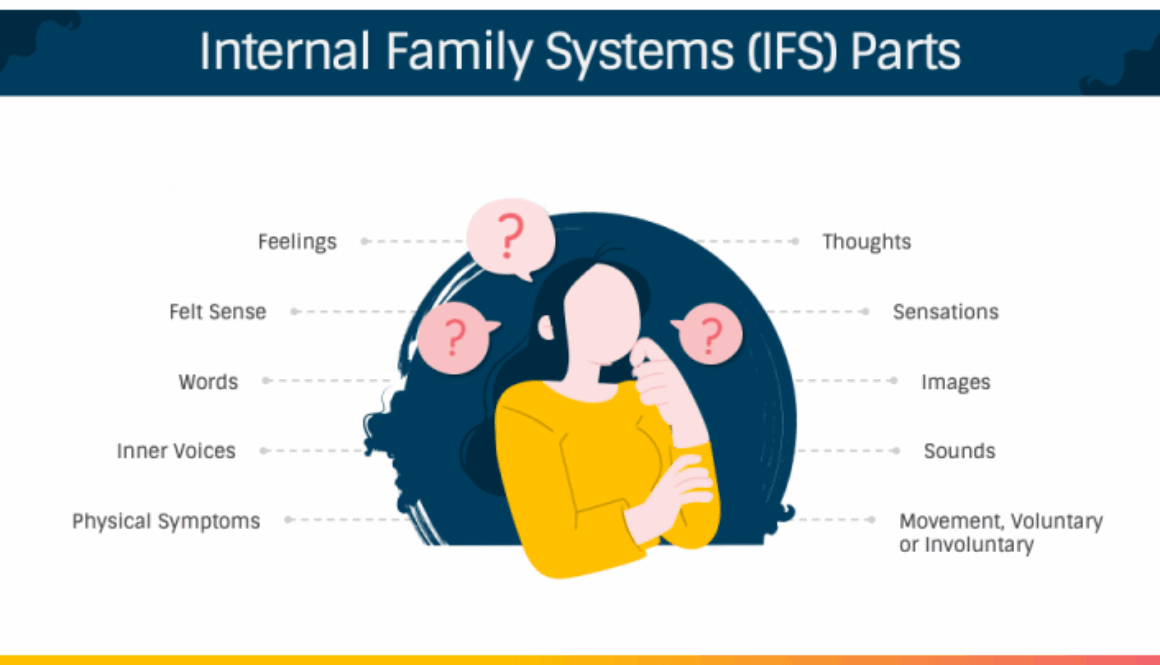
Internal Family Systems based on the idea that the mind consists of distinct “parts,” each with its own role and purpose. Rather than trying to eliminate difficult thoughts or emotions, IFS encourages you to get curious about them, understand why they exist, and build a relationship with them. This shift alone can be incredibly powerful, especially for those who have spent years feeling frustrated with their inner experiences.
How Internal Family Systems Therapy Works
IFS organizes these parts into three main categories. Managers are the parts that try to keep you in control and prevent pain. They might show up as perfectionism, overthinking, or people-pleasing behaviors. Firefighters, on the other hand, step in when emotions become overwhelming. These parts often use strategies like avoidance, emotional shutdown, or impulsive behaviors to quickly reduce distress. Then there are Exiles, which are the more vulnerable parts that carry wounds from past experiences, such as feelings of rejection, shame, fear, or sadness.
At the center of this system is what IFS calls the “Self.” The Self is your core—calm, supportive, confident, and grounded. When you are connected to your Self, you naturally experience qualities like clarity, curiosity, care, confidence, and calmness. The goal of IFS therapy is not to get rid of your parts, but to help your Self take the lead so that your internal system can feel more balanced and supported.
One of the reasons IFS is so effective is that it does not pathologize your experiences. IFS views every part of you as having a purpose, even if its strategies are no longer helpful. Instead of suppressing emotions or forcing change, IFS focuses on building internal trust and safety. This makes it especially helpful for individuals dealing with trauma, anxiety, depression, low self-worth, and relationship challenges.
What to Expect in an Internal Family Systems Session
In a typical IFS session, you might begin by noticing a specific feeling or reaction, such as anxiety before a difficult conversation. From there, you would gently explore the part of you responsible for that feeling, getting curious about what it’s trying to protect you from. As you build care toward that part, you begin to understand its purpose. Over time, it can release the burden it has been carrying. This process creates cooperation within your internal system rather than conflict.
For example, you might want to set a boundary, but feel stuck because one part of you wants to speak up while another fears upsetting others. Instead of forcing yourself in one direction, IFS helps you understand both sides. When both parts feel heard and supported, it becomes much easier to move forward with confidence and clarity.
Is Internal Family Systems Therapy Right for You?
IFS may be a great fit if you feel internally conflicted or struggle with self-criticism. It also works well for those seeking a deeper, more supportive path to healing. It’s also helpful for those who have tried other forms of therapy but still feel stuck, as it offers a different way of relating to your inner world.
You are not a single, fixed identity—you encompass many experiences, emotions, and protective strategies that developed for a reason. Internal Family Systems helps you move from self-judgment to self-understanding, and ultimately toward meaningful, lasting healing. If you’re ready to explore internal family systems therapy, contact us to take the first step.
Anxiety, by definition, is feeling nervous and worried about something or a situation. Interestingly, anxiety may not always be a problem. When managed properly, it may be all you need to have a better relationship, have good mental health, and improve your overall feeling. There are various causes of anxiety, and it can be helpful to understand the causes and what could exacerbate them. When confidently outline, we can avoid the fear of the unknown future. If you’re interested in reducing your anxiety and making your relationship work positively for you and mental health, here are a few tips for you
Trust your partner: every good relationship is built on trust. When trust is lost, the relationship is lost. To reduce anxiety in your relationship, you should trust your partner and their words, avoid suspicion, feel insecure, and doubt.
Stop worrying: there are two possible outcomes to every relationship – success or failure. It’s normal to think about the future of your relationship and hope for the best, but you should be careful about doing that too much. It leads to worry and anxiety. And this can, in turn, hurt the relationship.
Communicate effectively: relationships with good communication last longer and grow stronger. Is there anything you love that your partner isn’t aware of? Tell them. Effective communication removes doubts and reduces anxiety.
Avoid self-sabotage in a relationship
picking arguments with your partner pushing them away by insisting nothing’s wrong when you’re in distress testing relationship boundaries, such as grabbing lunch with an ex without telling your partner
Medicate: the use of medication to take care of anxiety is the very last option. It’s sometimes not advisable as many of the medications available tend to be addictive. It’s, however, needed, but only as the last option.
Ready to take the next step? Contact us today to schedule an appointment and connect with a caring therapist.